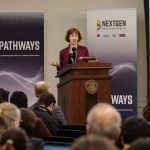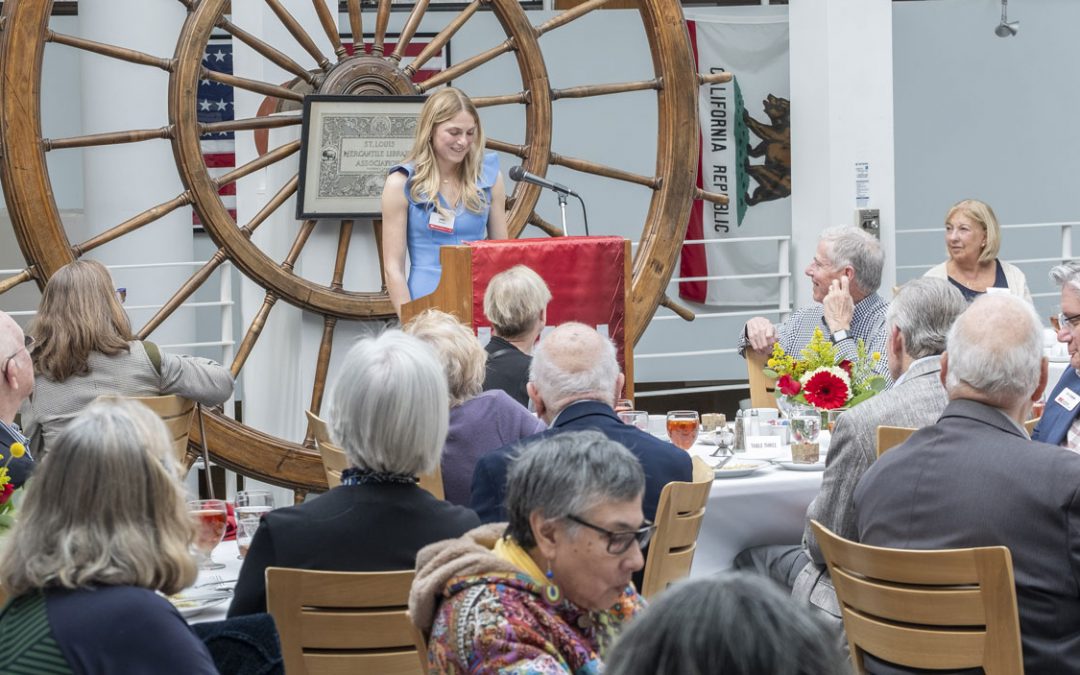
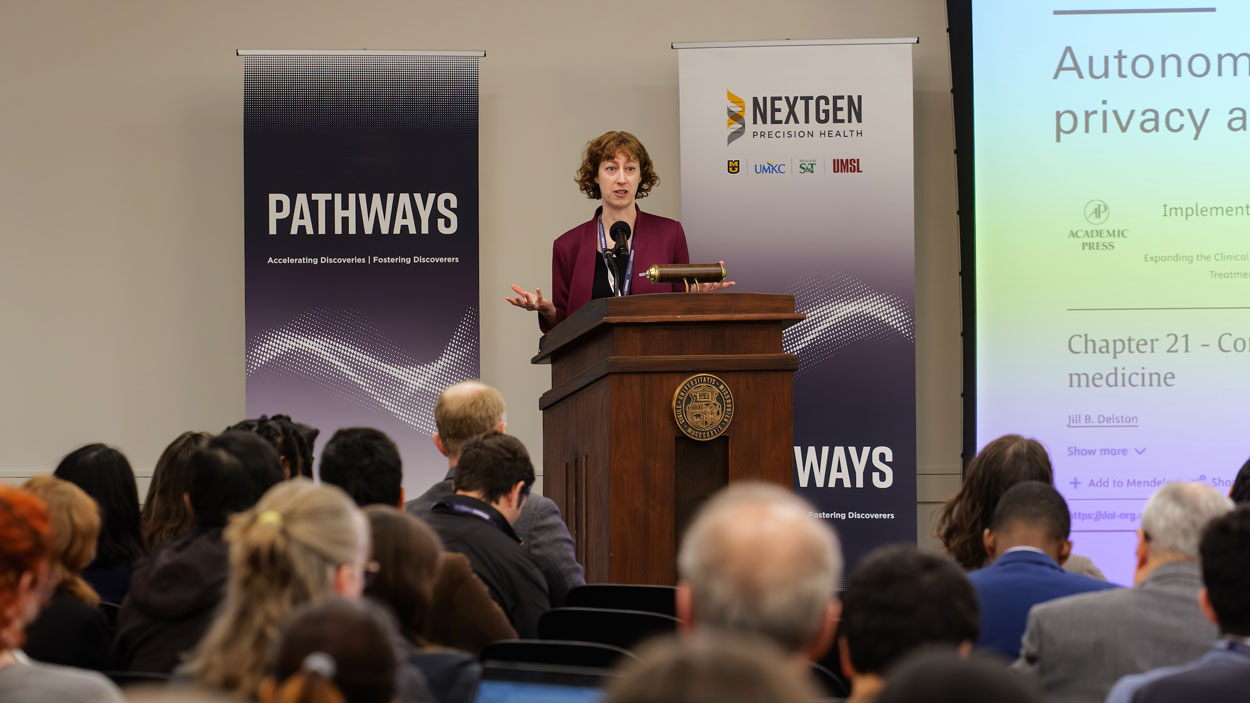
Jill Delston, an assistant professor of philosophy, presents on “Precision Health Ethics” at the NextGen Pathways Symposium on March 13 in Rolla, Missouri. (Photos by Ben Stewart/NextGen Precision Health)
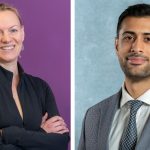
University of Missouri–St. Louis faculty members Badri Adhikari, Jill Delston and Tareq Nabhan were among the featured speakers sharing their experience with an audience of researchers from across the University of Missouri System at the third annual NextGen Pathways Symposium.
The event, hosted by Missouri University of Science and Technology on March 12-13 at the Havener Center in Rolla, Missouri, was a chance for attendees to learn about some of the latest developments from projects with the potential to improve health outcomes for people in Missouri and beyond.
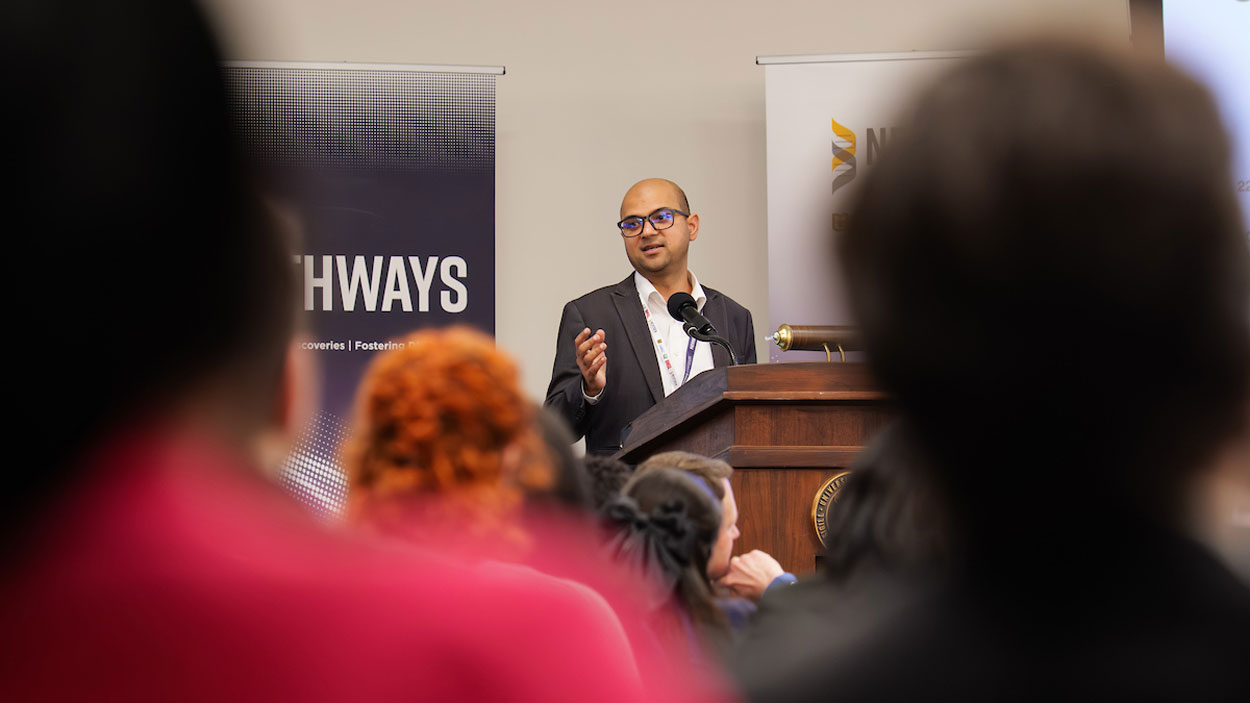
Badri Adhikari, an associate professor of computer science, gives a presentation titled, “Explainable AI Across Scales of Health: From Proteins to Patients” at the NextGen Pathways Symposium.
For faculty members and postdoctoral researchers – as well as graduate students, lab and campus resource staff, clinicians and even a few undergraduates – the Pathways event is designed to raise the visibility of promising ideas. It’s also intended to connect teams with complementary skillsets and accelerate progress toward solutions for challenges like cancer, rare disease, cardiovascular and metabolic disorders, Alzheimer’s disease, infertility and other health issues.
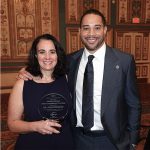
“It’s always been our team’s goal to try to bring people together,” said Dave Arnold, executive director of the NextGen Precision Health initiative. “This is my favorite meeting of the year. I feel like it’s a retreat for our labs to come together and meet people across the state.”
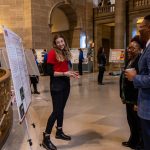
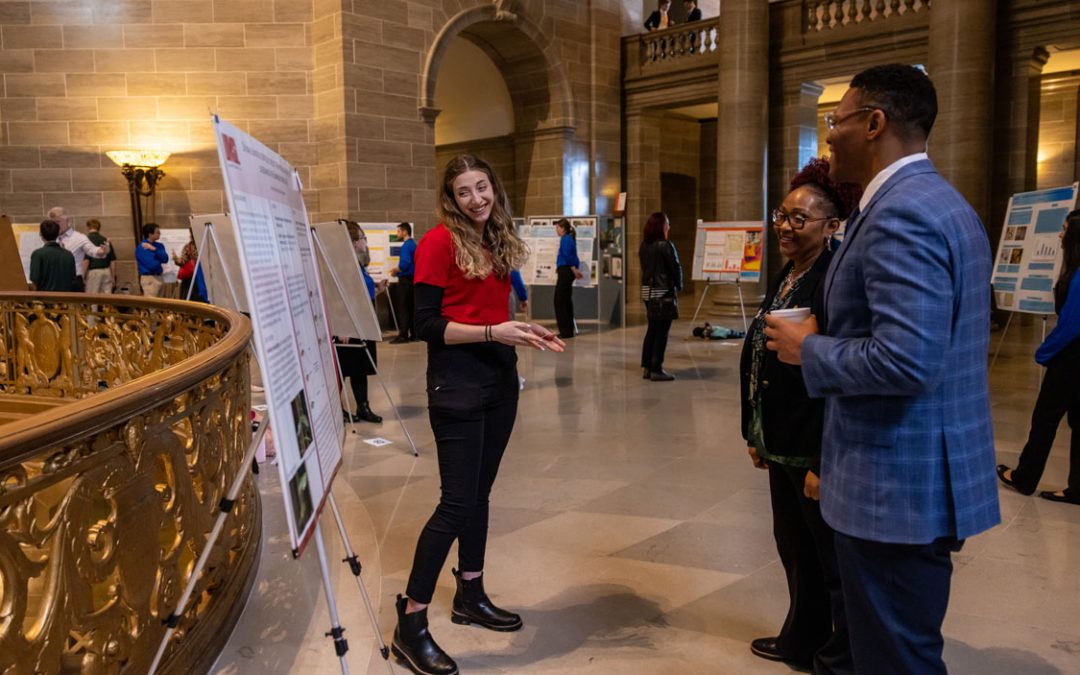
It’s also an opportunity for people to meet across disciplines. In total, 221 researchers attended to learn from colleagues’ successes and to meet with industry and community partners to better understand the nuances of patients’ needs. They brought expertise from a range of fields – artificial intelligence, clinical care, basic science, population health, intellectual property – and explored topics as diverse as biomaterials for bone and tissue regrowth, the ethics of precision health, the role of mitochondria in liver disease, the challenges of scaling eyecare solutions around the world, leveraging explainable AI and using new preclinical models to understand cellular development.
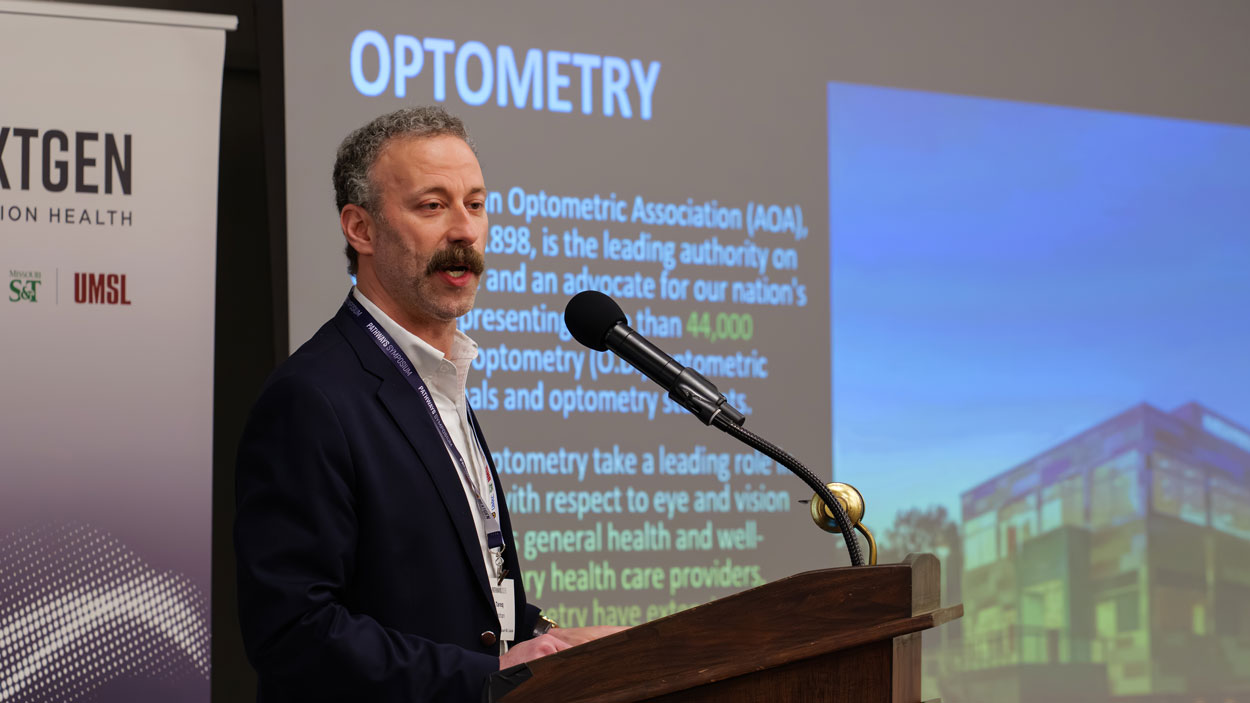
Tareq Nabhan, an assistant clinical professor in the College of Optometry, gives a presentation on “Scalable Emerging Eyecare Solutions.”
Adhikari, Delston and Nabhan offered insight from their different academic backgrounds. Adhikari is an associate professor in the Department of Computer Science, and he gave a presentation titled, “Explainable AI Across Scales of Health: From Proteins to Patients.” Delston is an assistant professor in the Department of Philosophy, and her presentation covered “Precision Health Ethics.” Nabhan is an associate clinical professor in the College of Optometry, and he presented on “Scalable Emerging Eyecare Solutions.”
It was important to highlight a range of topics.
“The things we get to do, the questions we get to ask; it really is a privilege,” Arnold said. “So, it’s our responsibility to share that work with the world.”
On average in the U.S., it takes 14 years for a new treatment to make it from the discovery phase to patients. That long translation process involves a series of experts from different domains. NextGen’s goal is to help those teams coordinate from the very beginning to shorten their path to a new drug, device or other innovation. Programs like NextGen’s Pathways Symposium, the Discovery Series of community science talks, and the NextGen Postdoctoral Fellows Program are designed to contribute to that effort.
Next year’s Pathways symposium will be held at the University of Missouri–Columbia. It is scheduled to take place at UMSL in 2028.