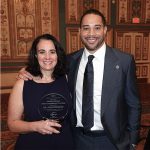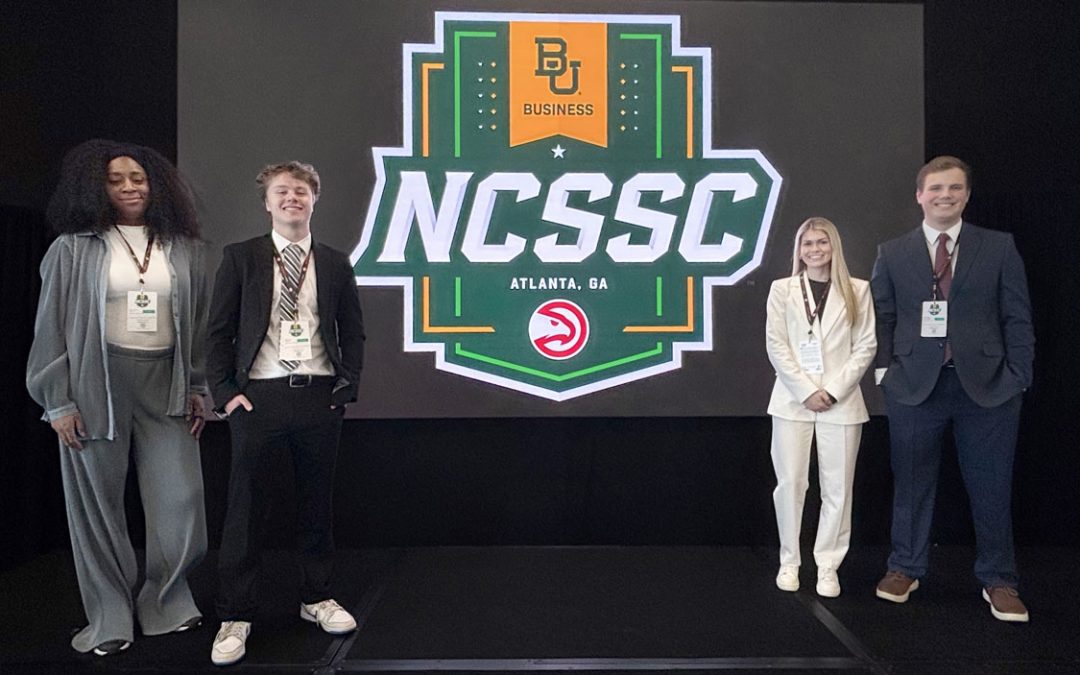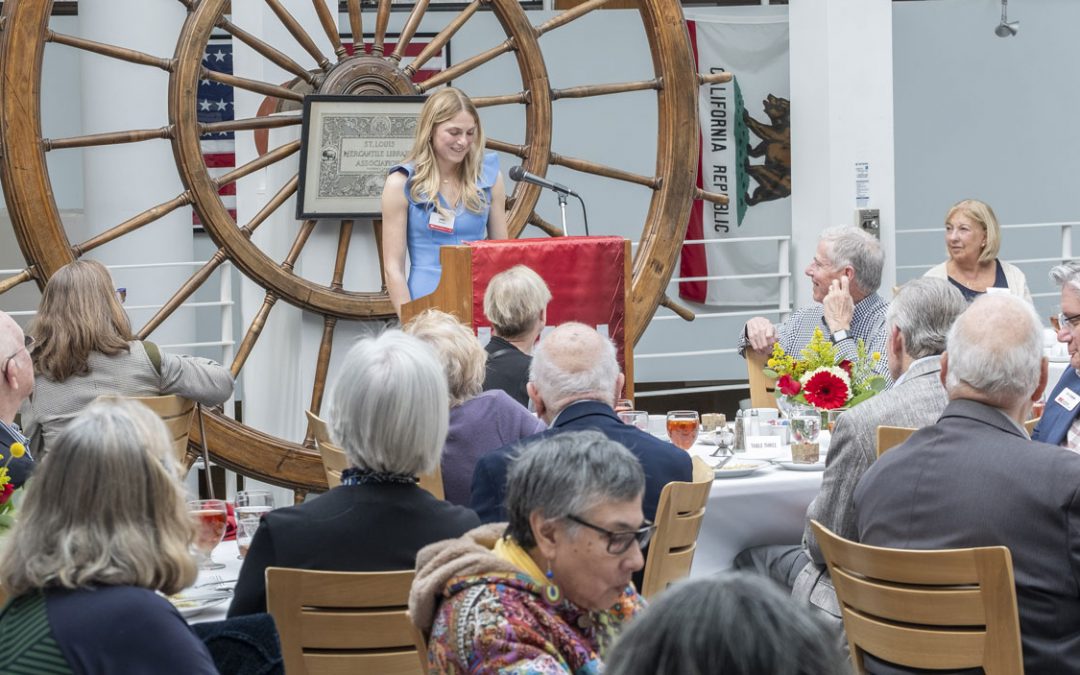
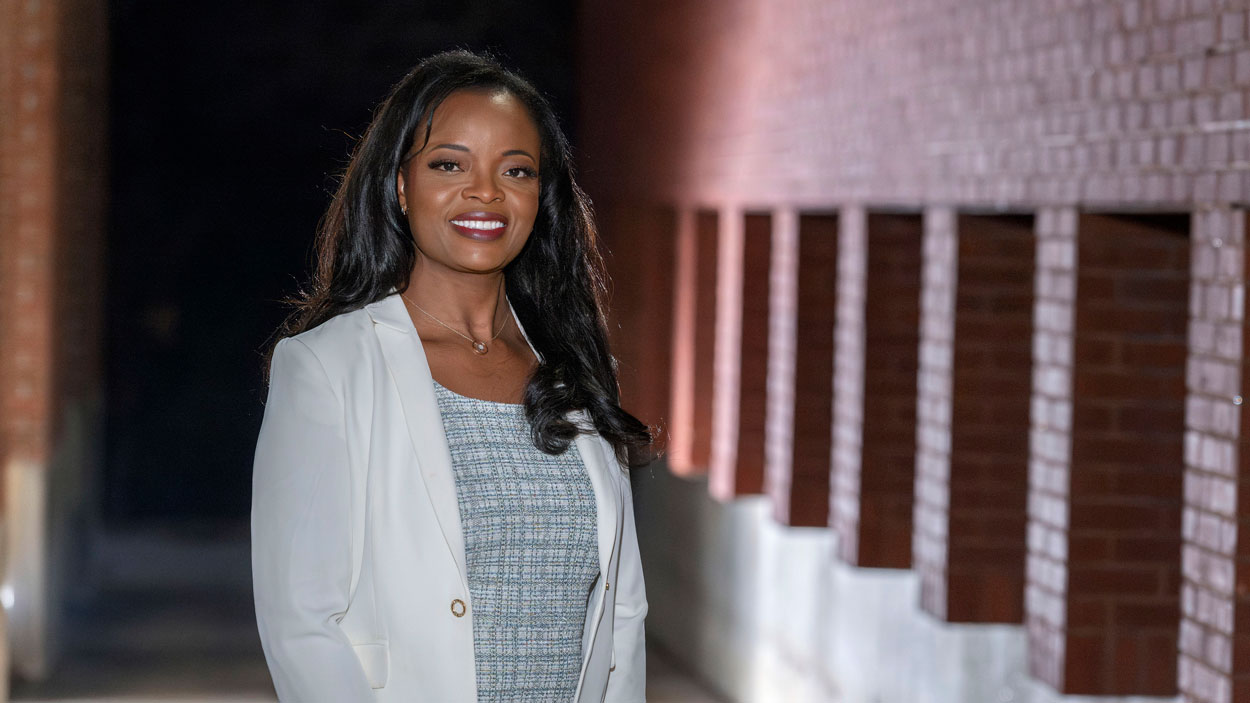
Nwanneka Okere has built a career in pharmacovigilance and drug safety. Currently working as a senior director at Nurix Therapeutics, she recently earned her PhD from the College of Nursing. (Photo by Derik Holtmann)
During one of Nwanneka Okere’s first residencies in the Nursing PhD program at the University of Missouri–St. Louis, she was told that eventually, she’d get to the point where it felt like fun.
Earning a PhD has been a longtime goal for Okere, who holds an MSN in nursing and MHA and worked as a nurse for 22 years, but she wasn’t always sure it would happen. As a mother of four kids who works full time in the pharmaceutical industry, she wasn’t sure she’d be able to manage the rigorous academic challenges that come with doing a PhD program.
But last month, Okere walked across the stage to celebrate earning her PhD from the College of Nursing – and, she said, she had fun doing it.
“It has been challenging, but fun,” Okere said. “There were ups and downs, but when you’re really passionate about the research that you’re doing, you do get to a point where it becomes fun and just being able to get to that terminal degree has been exciting.”
For the past 15 years, Okere, who lives in New Jersey, has worked in pharmacovigilance and drug safety. She was first introduced to the field of drug safety while pursuing her master’s in health care administration, which exposed her to different industries.
“I’ve always been someone who wanted to influence patient safety from more of a systematic perspective, whether it’s through policy, global outreach – being able to make decisions that influence from a higher level,” Okere said. “When I learned about the pharmaceutical industry, pharmacovigilance was really something that stuck out to me. Being able to look at different data and find ways to make sure that drugs are safe for the general public. Oftentimes, we take medications, and we take certain things such as safety of the drug for granted. I was drawn to the idea of being involved in the field of work that ensures global medication safety and ensures that patients can take these medications and know that there’s someone on the other end of it monitoring its safety.
For the past five years, Okere has worked at Nurix Therapeutics, where she serves as a senior director leading a team focused on monitoring adverse drug reactions within clinical trials. As her career evolved, she realized that she wanted to conduct research that examined challenges within pharmacovigilance . “UMSL’s PhD program really stood out because it valued rigorous scholarship while supporting working professionals, and it aligned perfectly with where I wanted to grow as a nurse scholar,” Okere said.
Okere started the PhD program in 2022 and was immediately impressed by the flexibility and robust mentorship afforded by the program. She considers her research nontraditional within the nursing spectrum, and as she looked at different PhD programs across the country, she found it challenging to find professors and mentors who understood or supported her research. When she reached out to UMSL, however, she had a totally different experience. The College of Nursing immediately paired her with an advisor who understood the dynamics of her project and supported her, along with her mentors, throughout the whole program.
For her PhD project, Okere wanted to find a way to bridge her educational background in nursing with her current role in drug safety. To that end, her project explored how data from social media and patient-reported platforms can enhance traditional drug safety monitoring systems, revealing richer, more in-depth patient experiences. By comparing regulatory data with patient-reported experiences, her research aimed to highlight new ways to strengthen medication safety and better understand real-world patient concerns.
“Oftentimes, we talk about drug safety from a single perspective, and we’re not necessarily considering the patient voice,” Okere said. “This project was driven by the desire to protect patients beyond from a public health perspective. Pursuing my PhD allowed me to ask questions about health care systems, how this system listens to patients and how we can do better.”
Using a mixed methods design and data from over 100,000 reports, Okere’s research revealed that social media and patient forums provide valuable, complementary insights to the FDA’s Adverse Event Reporting System, providing more in-depth emotional and contextual insights that might not otherwise be available.
“You’re getting richer, more in-depth reports directly from patients, as compared to more of a technical report from the FDA database,” Okere said. “You’re looking at it from a robust, holistic perspective. Instead of just seeing technical data, you’re seeing how it impacts patients in their daily lives. For example, if someone reported fatigue, they’re giving you more context about fatigue and how it impacts them on a daily basis.”
Okere’s findings underscore the growing importance of integrating digital health data to advance patient-centered pharmacovigilance and improve drug safety surveillance systems. As research in this field increases, she hopes there will be a systematic impact, whether at the hospital level, through policy changes in the use of data from social media and patient-reported platforms; at the manufacturer level, through monitoring adverse events for products and how patients are impacted; or at the academic level, through the ways in which nurses are taught to do patient assessments. In the more immediate future, however, she also believes this research can sharpen how nurses interact with their patients.
“I think for nurses, especially those at the bedside, it’s important to understand that patient symptoms and their experiences go beyond just what’s on the checklist or questionnaire,” she said. “We need to ask more open-ended questions to allow patients to provide more detail and also ask about how what they’re feeling impacts their daily lives.”
Okere said she has grown tremendously during her three years in the PhD program, having learned crucial time management skills and how to write specialized research questions, in addition to robust scientific knowledge. Moving forward, she plans to continue advancing patient-centered drug safety through leadership, research and mentorship, and she’s grateful for the role that UMSL’s PhD program played in setting her up to do just that.
“I feel like I couldn’t have done this program anywhere else,” Okere said. “All of the professors I have encountered are very strong in their scholarship and were able to instill confidence in me. My research is quite different from traditional nursing research but having their support and guidance from different perspectives has been tremendous.”