The College of Education and the Missouri Institute of Mental Health collaborated to put on the daylong event, where 125 education students participated.


The College of Education and the Missouri Institute of Mental Health collaborated to put on the daylong event, where 125 education students participated.
The College of Education and the Missouri Institute of Mental Health collaborated to put on the daylong event, where 125 education students participated.
The College of Education and the Missouri Institute of Mental Health collaborated to put on the daylong event, where 125 education students participated.
Look back at some of UMSL Daily’s top stories from the past year, including the launch of the UMSL School of Engineering and the naming of the Ed G. Smith College of Business, along with continuing campus transformation.
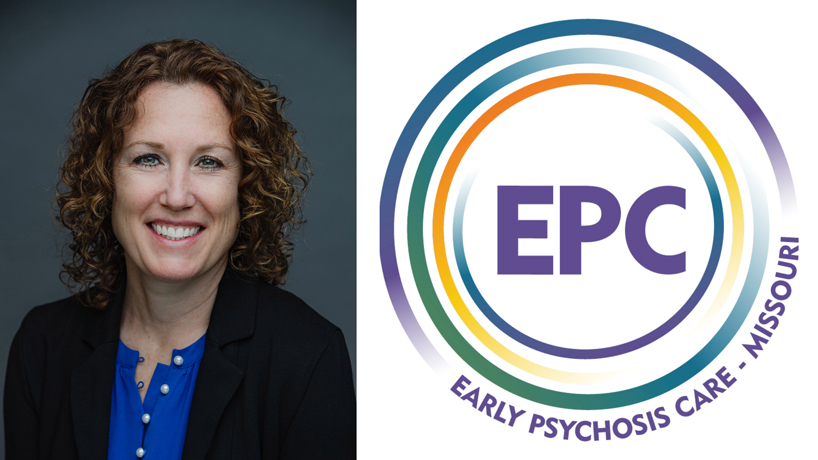
MIMH Associate Director Rachel Kryah is leading the project, which aims to help individuals impacted by first-episode psychosis get the resources and support they need.
MIMH Associate Director Rachel Kryah is leading the project, which aims to help individuals impacted by first-episode psychosis get the resources and support they need.
MIMH Associate Director Rachel Kryah is leading the project, which aims to help individuals impacted by first-episode psychosis get the resources and support they need.
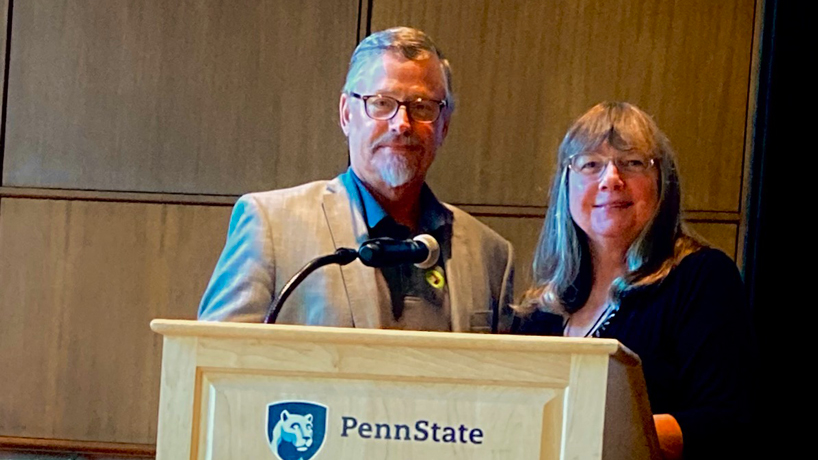
The initiative is currently surveying workers on how well their employers understand substance use and support employees in recovery.
The initiative is currently surveying workers on how well their employers understand substance use and support employees in recovery.
The initiative is currently surveying workers on how well their employers understand substance use and support employees in recovery.

Two grants will fund programs to support behavioral therapy trainers and to facilitate treatment for children who’ve experienced trauma.
Two grants will fund programs to support behavioral therapy trainers and to facilitate treatment for children who’ve experienced trauma.
Two grants will fund programs to support behavioral therapy trainers and to facilitate treatment for children who’ve experienced trauma.
The $5 million grant initiative takes on crucial aspects of the epidemic, which is especially prevalent in Missouri – and aims to broaden dialogue around the issue.