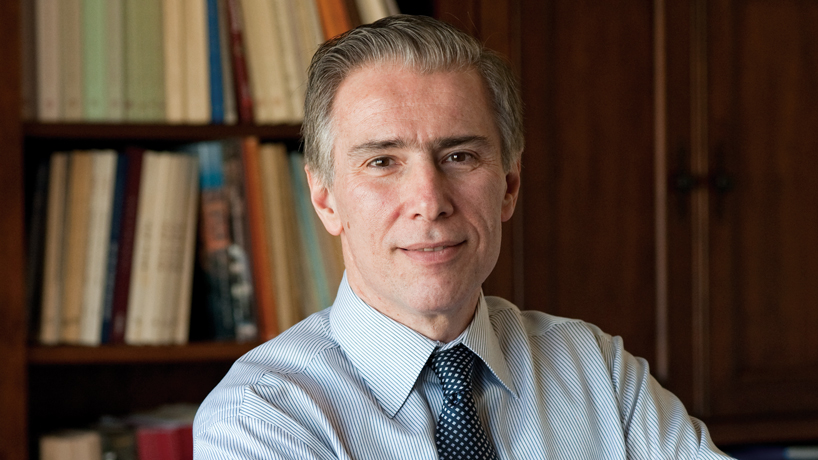
Demchenko will receive the Academy of Science–St. Louis’ Fellows Award at the 26th annual Outstanding St. Louis Scientists Awards dinner in April.
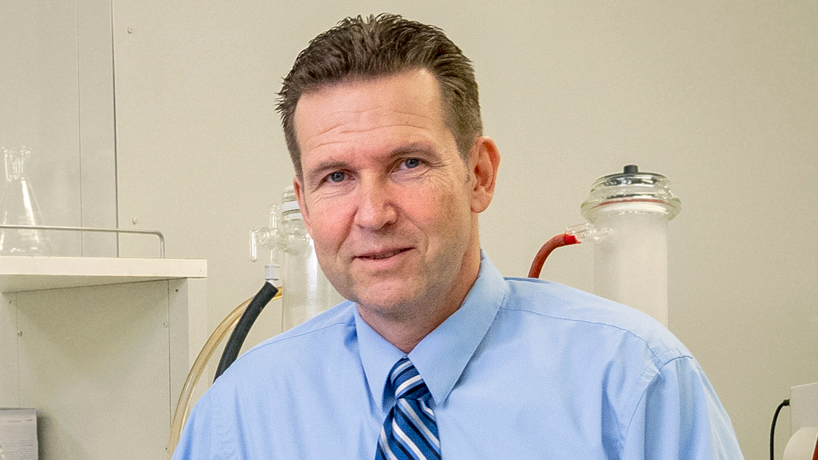

Demchenko will receive the Academy of Science–St. Louis’ Fellows Award at the 26th annual Outstanding St. Louis Scientists Awards dinner in April.
Demchenko will receive the Academy of Science–St. Louis’ Fellows Award at the 26th annual Outstanding St. Louis Scientists Awards dinner in April.
Demchenko will receive the Academy of Science–St. Louis’ Fellows Award at the 26th annual Outstanding St. Louis Scientists Awards dinner in April.
Look back at some of UMSL Daily’s top stories from the past year, including the launch of the UMSL School of Engineering and the naming of the Ed G. Smith College of Business, along with continuing campus transformation.
Founded in 1856, the academy is one of the oldest and most prestigious scientific associations in the United States.
Founded in 1856, the academy is one of the oldest and most prestigious scientific associations in the United States.
Founded in 1856, the academy is one of the oldest and most prestigious scientific associations in the United States.
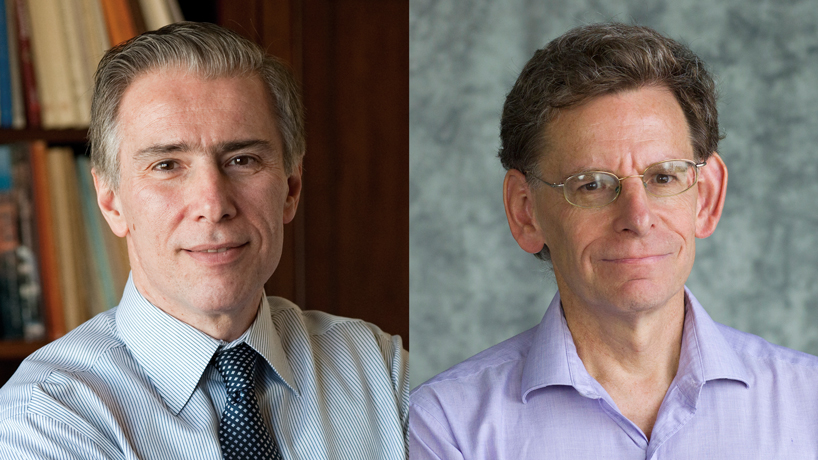
Michael Cosmopoulos (left) is a world-renowned authority in Greek archeology, and Robert Marquis is a mentor to many, inspiring and educating the next generation.
Michael Cosmopoulos (left) is a world-renowned authority in Greek archeology, and Robert Marquis is a mentor to many, inspiring and educating the next generation.
Michael Cosmopoulos (left) is a world-renowned authority in Greek archeology, and Robert Marquis is a mentor to many, inspiring and educating the next generation.
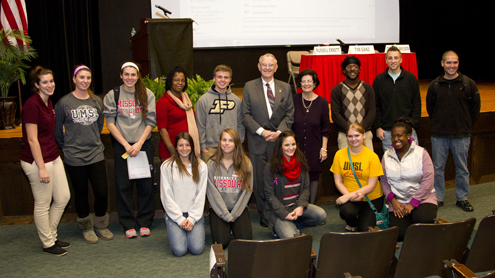
Though many Americans have not heard of the Organization for the Prohibition of Chemical Weapons, the group finally got its deserved time in the limelight last weekend when it collected the Nobel Peace Prize in Oslo, Norway. University of Missouri–St. Louis supporter Will Carpenter is particularly pleased for the group’s recognition, which makes sense, seeing as how he played an integral role in creating the treaty that lead to the formation of the OPCW.
Though many Americans have not heard of the Organization for the Prohibition of Chemical Weapons, the group finally got its deserved time in the limelight last weekend when it collected the Nobel Peace Prize in Oslo, Norway. University of Missouri–St. Louis supporter Will Carpenter is particularly pleased for the group’s recognition, which makes sense, seeing as how he played an integral role in creating the treaty that lead to the formation of the OPCW.
Though many Americans have not heard of the Organization for the Prohibition of Chemical Weapons, the group finally got its deserved time in the limelight last weekend when it collected the Nobel Peace Prize in Oslo, Norway. University of Missouri–St. Louis supporter Will Carpenter is particularly pleased for the group’s recognition, which makes sense, seeing as how he played an integral role in creating the treaty that lead to the formation of the OPCW.